
When planning a wedding, corporate event, or large celebration, the term MC often comes up. But for many, the role of an MC isn’t entirely clear. In simple terms, an MC is the person who guides the flow of an event, keeps guests informed, and ensures everyone knows what’s happening without stealing the spotlight. In this article, we’ll answer the question: what is an MC? We’ll explore how they differ from DJs and provide actionable insights for planners and hosts.
The Basics: What Is an MC?
MC stands for Master of Ceremonies. Traditionally, this term came from royal and religious ceremonies, but in modern events, it refers to someone responsible for hosting and directing the event flow.
In weddings, corporate functions, or parties, the MC provides clear instructions, introductions, and announcements. The goal isn’t to perform or dominate the event, but to make sure everyone knows what’s happening.
MC Meaning in Events
The MC meaning in events has evolved over the years and now goes well beyond simply reading a script. A professional MC’s role is to support the flow of the event in a way that fits the room, the crowd, and the hosts’ preferences.
Today, an MC typically:
- Sets the tone of the event without being overbearing or distracting
- Introduces key moments like first dances, speeches, or awards with clarity and confidence
- Bridges the gaps between formal moments and open celebration so the event never feels awkward or disjointed
- Helps determine what style works best, or whether an MC is needed at all, while staying clear and guest-focused.
Not all MC styles are the same. Some events call for a high-energy MC, while others benefit from a calmer, more subtle approach. The right fit depends on the room and the goals of the event.
What Does an MC Do?
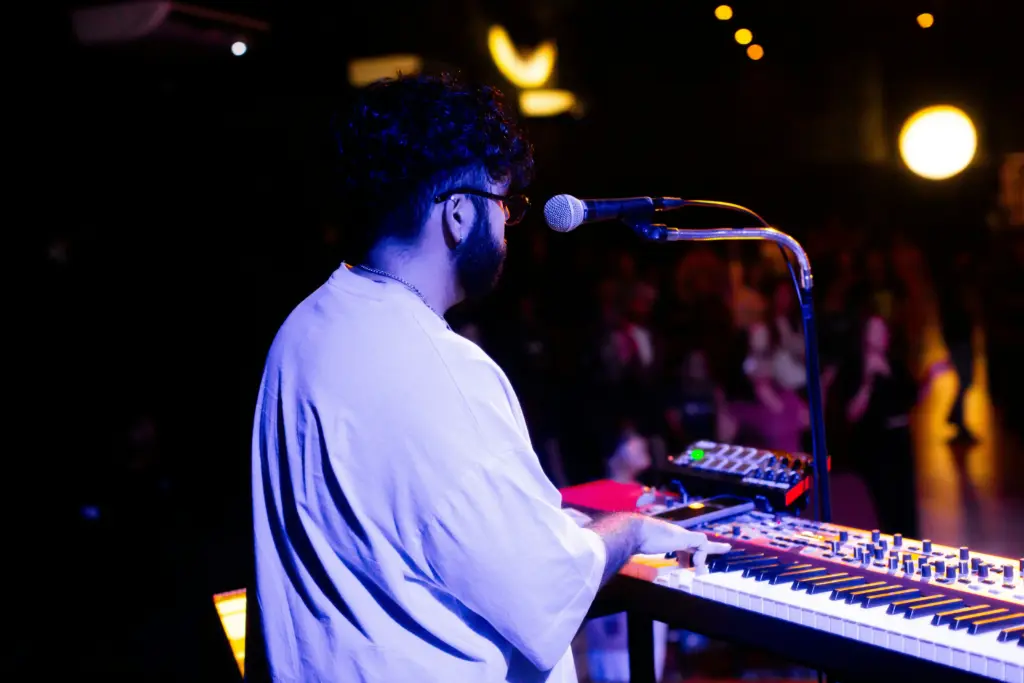
So, what does an MC do exactly? The role is both practical and subtle, focused on guiding the event rather than performing within it. A great MC helps everything feel intentional, organized, and easy for guests to follow.
Timeline Management
An MC keeps the event moving according to plan, making sure key moments like entrances, speeches, dances, and meals happen at the right time without feeling rushed or delayed.
Guest Guidance
An MC clearly directs attendees to activities, dinner service, seating, or the dance floor, but great MCs go further than simple instructions. They know how to bring different cultures together, navigate varied musical backgrounds, and, when needed, use bilingual or culturally aware communication so no one feels left out or confused to truly elevate the guest experience.
Speaker and Performer Introductions
Whether it’s welcoming parents for a toast or cueing a live performance, the MC provides clean, confident introductions and smooth handoffs that avoid awkward pauses or confusion.
Energy Control
A skilled MC reads the room and adjusts their tone accordingly; calm and minimal during formal moments, upbeat and encouraging when it’s time to engage the crowd. The goal is to support the energy, not overpower it.
Collaboration with Vendors
MCs work closely with DJs, photographers, videographers, planners, and venue staff to align timing, cues, and logistics. This behind-the-scenes coordination is what keeps everything running seamlessly.
In short, an MC keeps the event flowing smoothly, ensuring everyone feels informed, included, and comfortable without ever being showy or drawing unnecessary attention to themselves.
DJ vs MC: Understanding the Difference
Many people confuse DJs and MCs, but the roles are distinct.
- A professional DJ provides music, sound, and sometimes lighting, setting the atmosphere.
- An MC guides the event flow and guest engagement, often using a microphone to provide clear instructions.
In many events, especially weddings or corporate parties, a DJ and MC work in tandem. The MC cues the DJ for transitions, while the DJ supports the event with music. This is where knowing the difference between DJ vs MC becomes critical.
MC for a Party: How They Enhance Fun
Having an MC for a party ensures guests are never confused, disconnected, or unsure of what’s happening next. Instead of moments stalling or feeling unorganized, the MC provides clear direction that keeps the energy flowing naturally.
For example, an MC might:
- Explain the rules for games or interactive activities so everyone can jump in without hesitation.
- Announce dance-off winners or fun callouts, keeping momentum high without overhyping the moment.
- Lead toasts or group moments, helping transitions feel smooth and intentional rather than awkward.
A skilled MC keeps the party moving without needing the spotlight, stepping in when guidance is needed and stepping back when the music and crowd take over. The result is a celebration that feels effortless, engaging, and genuinely fun.
Key Skills of a Professional MC
What do MCs do beyond announcing? The most effective MCs bring a mix of communication, awareness, and restraint that helps the event feel smooth and well-run.
Clear Communication
Announcements should be easy to hear and understand, with just enough detail to guide guests without overexplaining or repeating information.
Timing and Pacing
A professional MC knows exactly when to move guests from one activity to the next, keeping momentum without rushing important moments or letting energy dip.
Adaptability
Events rarely go perfectly on schedule. A skilled MC can adjust on the fly, filling gaps calmly or shifting plans when delays or changes happen.
Collaboration
MCs work closely with the DJ, event coordinator, photographers, and venue staff to align cues, timing, and logistics behind the scenes.
Together, these skills ensure the MC supports the event experience, guiding guests and maintaining flow without ever drawing unnecessary attention to themselves.
Common Types of Events Where an MC Is Useful
An MC is valuable for nearly any organized gathering where timing, communication, and guest experience matter. Their presence helps events feel intentional rather than improvised.
Weddings
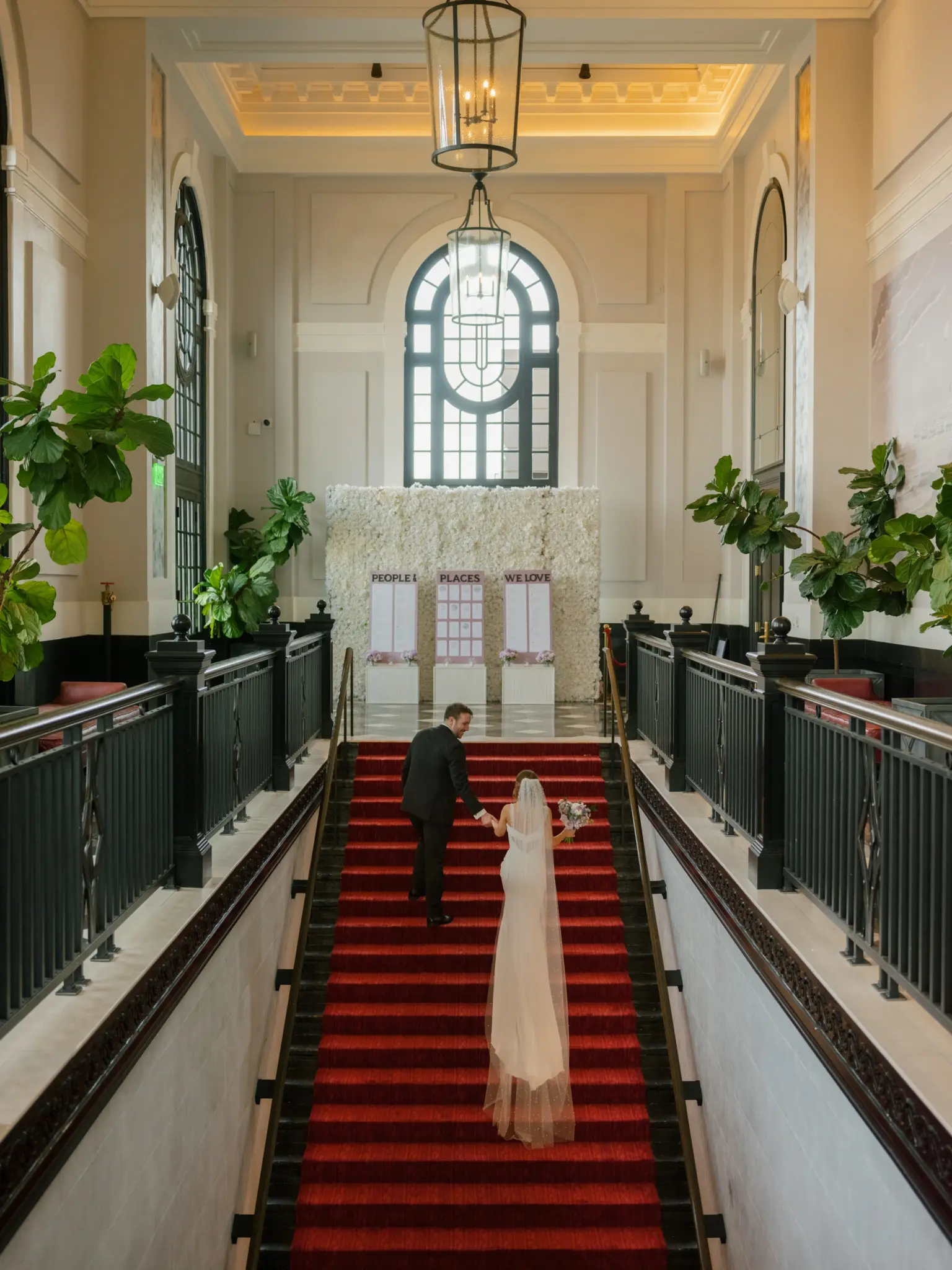
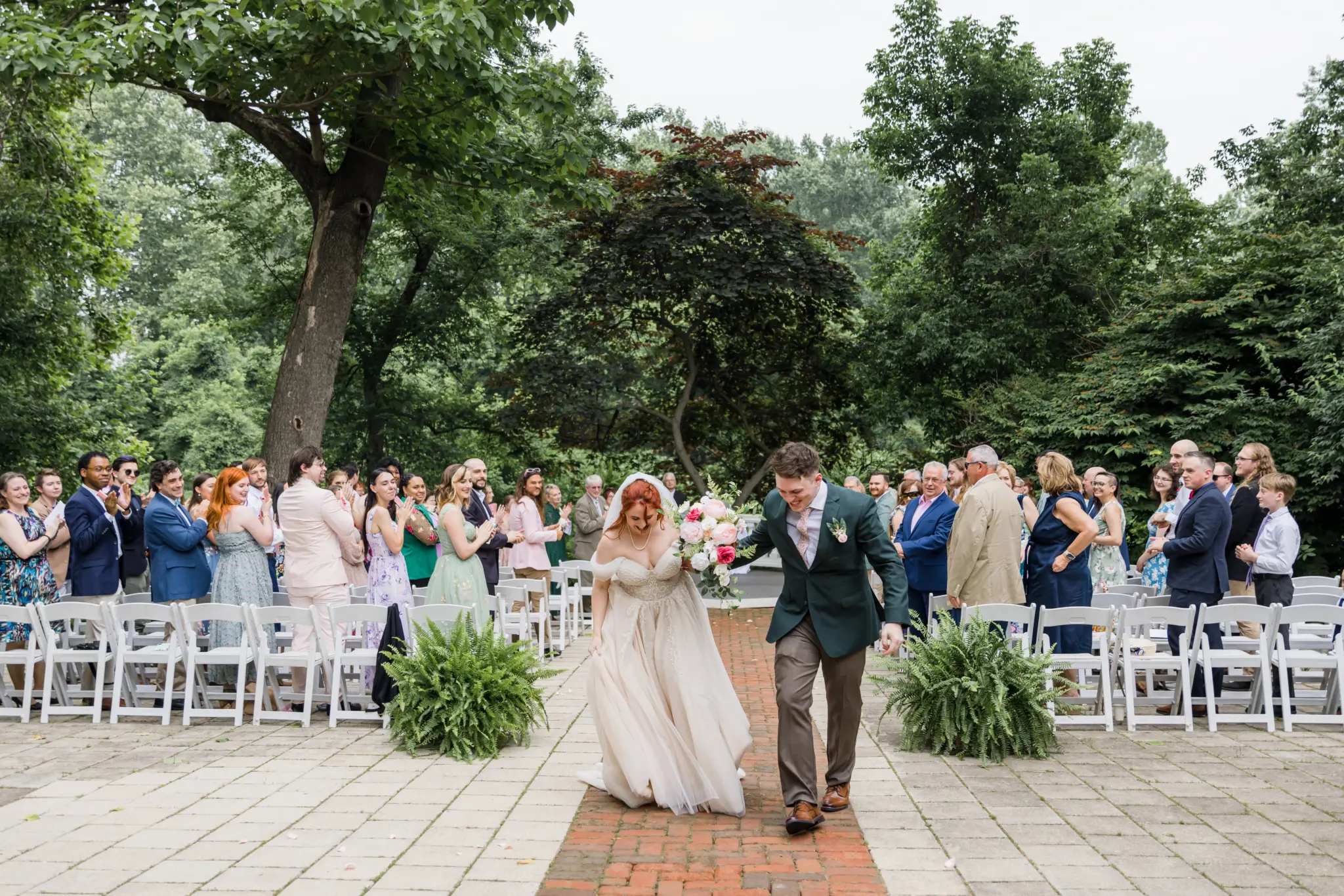
An MC announces key moments like grand entrances, first dances, toasts, and dinner transitions. More importantly, they guide guests through the timeline so no one misses important moments or feels unsure about what’s happening next.
Corporate Events
From conferences to holiday parties, an MC helps move attendees through presentations, awards, and networking sessions while keeping things on schedule and professional. Clear direction is especially important in larger or multi-segment events.
Birthday or Anniversary Parties
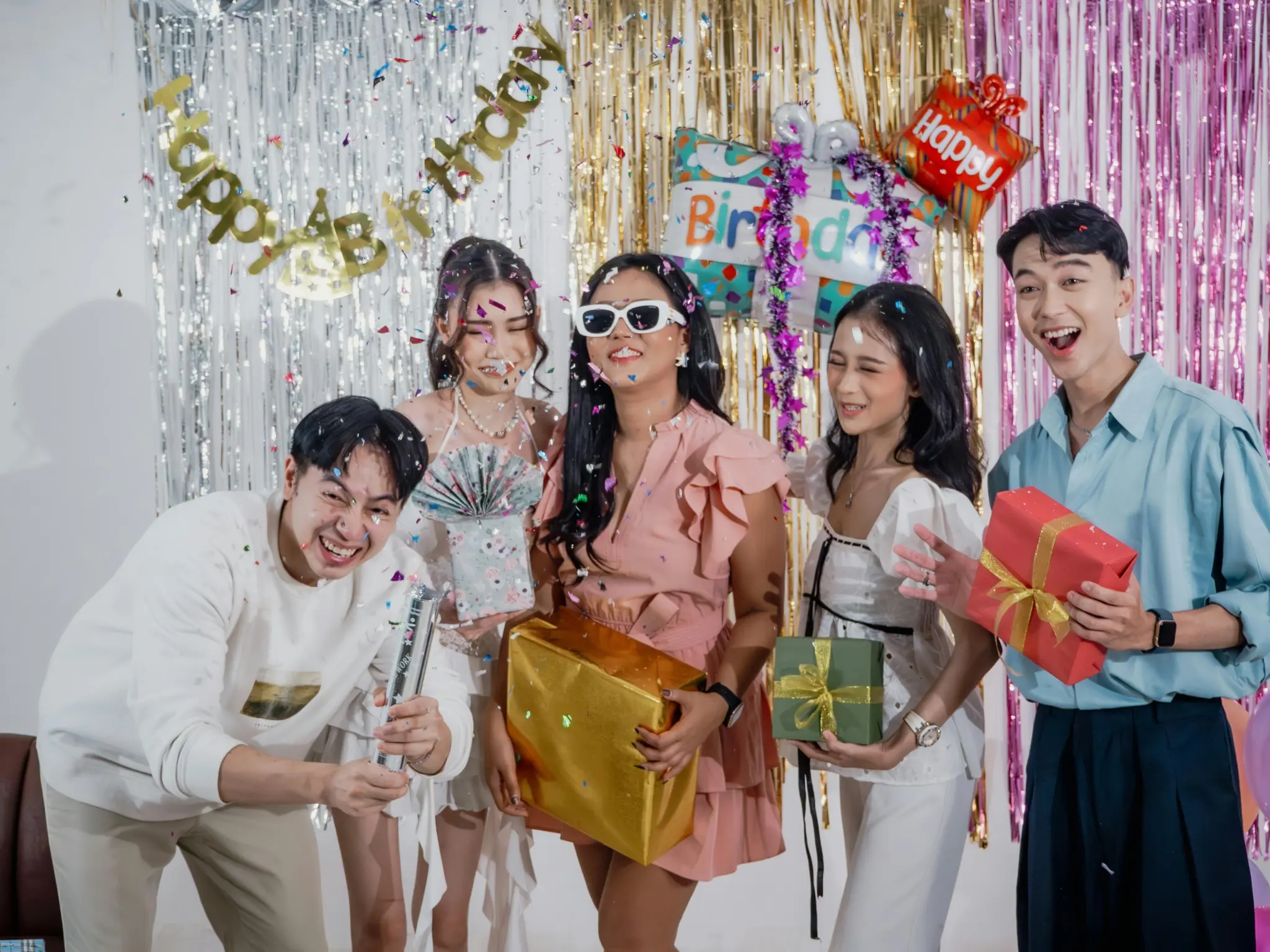
An MC can lead games at events, coordinate group photos, cue special moments, and keep the celebration organized without making it feel formal or overproduced.
Community Events or Fundraisers
These events often have multiple activities happening at once. An MC helps communicate schedules, call attention to key moments, and guide guests smoothly from one part of the event to another.
Using an MC ensures that everyone stays informed, engaged, and included, allowing the event to feel smooth, welcoming, and well-run from start to finish.
Planning With Your MC: Tips for Event Success
To get the most out of an MC, treat them as part of the planning team rather than a last-minute add-on. A bit of preparation helps the event feel smooth and well-organized.
Introduce Them Early to the Event Timeline and Vendors
Sharing the schedule in advance helps the MC understand pacing, priorities, and key moments. Early coordination with planners, photographers, venue staff, and vendors keeps everyone aligned.
Clarify Their Scope
Set expectations early. Will the MC handle formal announcements only, or also lead games, cue dances, or guide audience participation? Clear boundaries ensure support without overstepping.
Coordinate With the DJ and Other Staff
Strong communication between the MC and DJ keeps transitions natural and avoids awkward pauses or rushed moments.
Provide Scripts or Key Moments
Sharing names, pronunciations, and timing for speeches or traditions ensures accurate, confident delivery on the mic.
With clear planning and communication, the MC can guide your event confidently, supporting the experience without taking over.
DJ and MC: A Team Effort
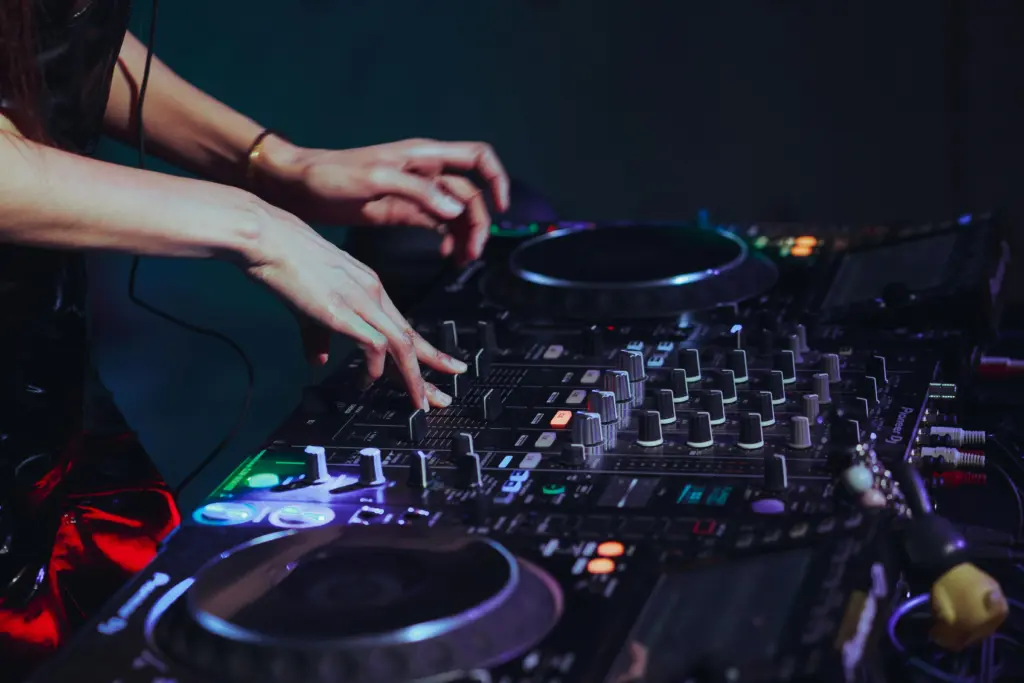
Events run best when the DJ and MC work as a team, not competing voices. When each role stays focused, the event feels polished and intentional.
The DJ handles the music, transitions, and crowd energy, while the MC manages timing, communication, and guest flow with clear, concise announcements.
Together, they create smooth, professional events where moments unfold naturally, transitions feel effortless, and the celebration stays organized, engaging, and energetic from start to finish.
MCs in Modern Events: Why They’re Important
Modern MCs are more than just a “voice on the mic.” Their impact comes from clarity, timing, and an intentional focus on guest experience, all delivered without drawing unnecessary attention.
Creating Clarity for Guests
A professional MC ensures guests always know what’s happening and what’s coming next. This includes:
- Guiding guests through different phases of the event
- Clearly announcing transitions and key moments
- Making participation feel easy and natural
Whether it’s a quiet ceremony or a high-energy dance floor, guests feel comfortable and included.
Keeping Events Stress-Free and On Schedule
MCs play a key role in making sure important moments happen smoothly:
- Preventing missed speeches, dances, or announcements
- Managing pacing so events don’t feel rushed or stalled
- Adjusting calmly to delays or last-minute changes
This behind-the-scenes control removes stress from hosts and planners alike.
Maintaining a Professional, Modern Tone
Today’s MCs focus on supporting the event rather than performing:
- Confident but understated delivery
- Clear direction without over-talking
- No outdated hype or “radio DJ” style antics
The result is a polished experience that feels current and intentional.
The Quiet Role That Holds Everything Together
An MC doesn’t need the spotlight to be effective. By blending structure, communication, and restraint, they act as the quiet glue that holds an event together, allowing the celebration itself to shine.
Final Thoughts about MCs for Events

MCs are the guiding force behind the scenes and on the mic, ensuring every guest knows what’s happening, feels engaged, and enjoys the celebration. From weddings and corporate gatherings to birthday parties and fundraisers, MCs provide structure and clarity without dominating the spotlight. By partnering with a skilled DJ in Maryland or any DJ for your event, a professional MC elevates your event experience, keeping everything flowing smoothly and naturally.
FAQs About MCs
What does an MC do?
MCs manage event flow, introduce speakers or performers, guide guests, and coordinate with vendors like DJs to keep the celebration running smoothly.
DJ vs MC; which do I need?
Both are ideal. DJs provide music and sound, while MCs guide the event and engage guests. For smaller events, a skilled DJ may cover light MC duties.
Can an MC handle games and activities?
Absolutely. MCs can run icebreakers, trivia, or group challenges, ensuring guests know what to do and have fun.
What do MCs do at weddings?
They guide guests through timelines, make announcements, introduce speeches, and ensure everyone participates in key moments.
How do MCs and DJs work together?
The MC cues the DJ for music transitions, coordinates timing, and ensures that energy flows naturally between speeches, dances, and other activities.
What is MC meaning in events beyond weddings?
In corporate, social, or community events, MCs maintain flow, announce sessions, manage Q&A, and make sure attendees stay informed and engaged.