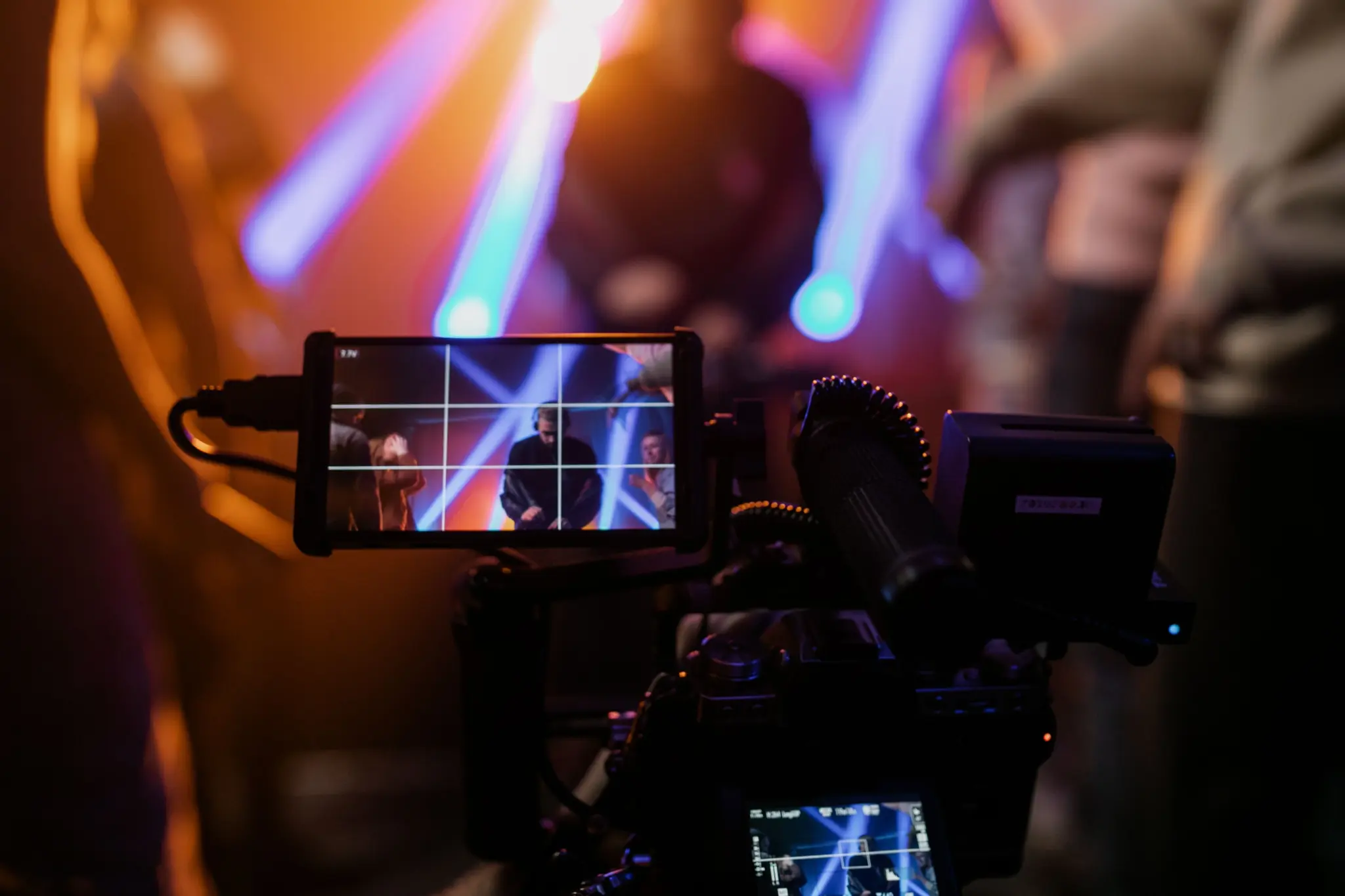
Choosing between wedding reception bands and a DJ is one of the most personal decisions you will make for your wedding reception. Both can deliver an incredible night, but they create very different experiences, come with different investments, and suit different venues and guest lists. This guide walks through how the two compare, what to look for when vetting wedding entertainment, what you can expect to invest, and how to build a reception timeline that keeps the night moving from cocktail hour to last dance.
Why Wedding Reception Bands Transform Your Wedding Day
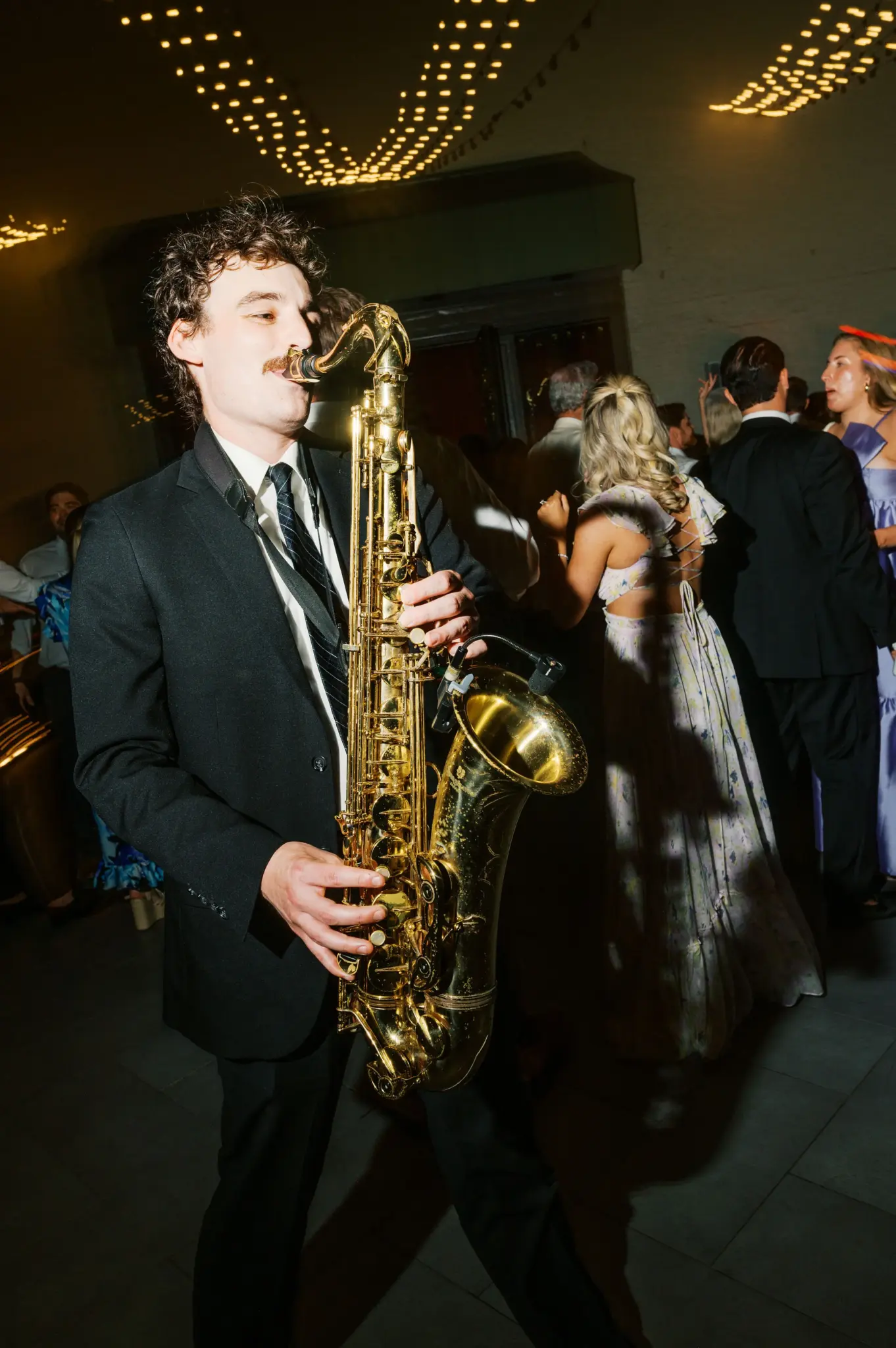
Live wedding bands offer something genuinely distinctive: the ability to respond to the room in real time. A talented band reads the energy on the dance floor, adjusts tempo, drops a key change, or holds a note a beat longer because the musicians can feel the crowd building. That kind of spontaneity creates moments guests replay in conversation for years after the wedding.
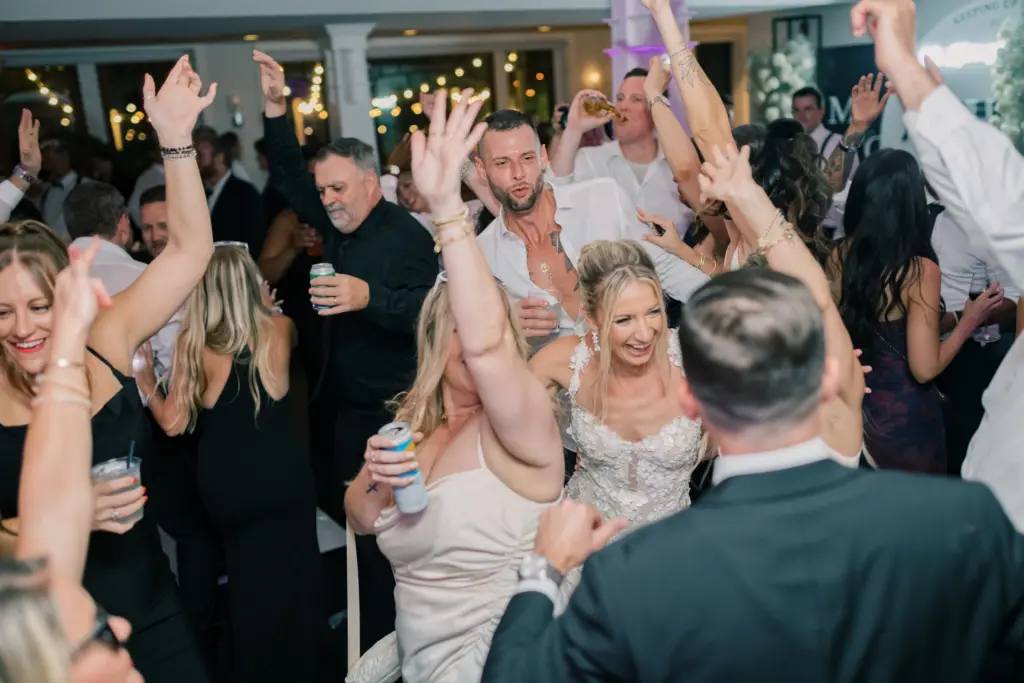
Picture a packed dance floor at ten o’clock. The horn section steps forward. The singer locks eyes with a guest and the crowd loses it. That is live music doing what it does best, turning a room into a shared experience rather than a soundtrack.
Live bands come with real trade-offs too: a curated setlist with limits on requests, a higher investment than most DJ packages, and more complex setup requirements including stage space, load-in time, and power access. Whether those trade-offs are worth it depends entirely on your priorities. Wedding entertainment bands are often what guests remember long after the flowers have wilted, but a skilled DJ can produce the same result for the right crowd.
Live Band vs. DJ vs. Hybrid: A Side-by-Side Look
No single answer fits every couple, and all three options can produce an exceptional reception when matched to the right event.
| Live Band | DJ | Hybrid | |
| Typical Investment | Higher | Most budget-friendly | Mid-to-high range |
| Song Range | Curated setlist with some requests | Near-unlimited catalog | Wide catalog plus live elements |
| Energy Style | Dynamic, builds in real time | Consistent, precise mixing | Best of both |
| Space Needed | Stage, power, load-in time | Minimal setup | Moderate setup |
| Best For | High-energy parties, formal affairs | Tight venues, specific music needs | Couples who want both experiences |
The Case for a Live Wedding Reception Band
Live wedding bands bring something physical and immediate to your event. Guests can see musicians performing, feel the sound differently, and engage with the entertainment as part of the experience. The energy builds organically across the night, and experienced wedding bands know how to pace a performance: slow it down during dinner, lift it during first dances, and go full energy once the dance floor opens. The trade-off is flexibility. A band works from a prepared setlist, and while most professional wedding bands accommodate requests, there are limits. You will not get every obscure deep cut on demand.
When a DJ Makes More Sense
A wedding DJ offers access to the full recorded catalog of music, covering every version, every era, and every tempo, with the ability to pivot instantly. If your guest list spans multiple generations with different tastes, or your venue has acoustic restrictions, a DJ may serve you better. DJs also require less space and significantly less setup time, which matters in certain venues. If you have searched for a DJ in Maryland already, you know the options range widely, and a skilled one reads the room just as carefully as a live band, matching energy and pacing the night with precision. Premium DJ packages with full lighting and sound production can rival the visual impact of a live act, giving you a high-energy, highly curated experience.
The Hybrid Option: Getting Both
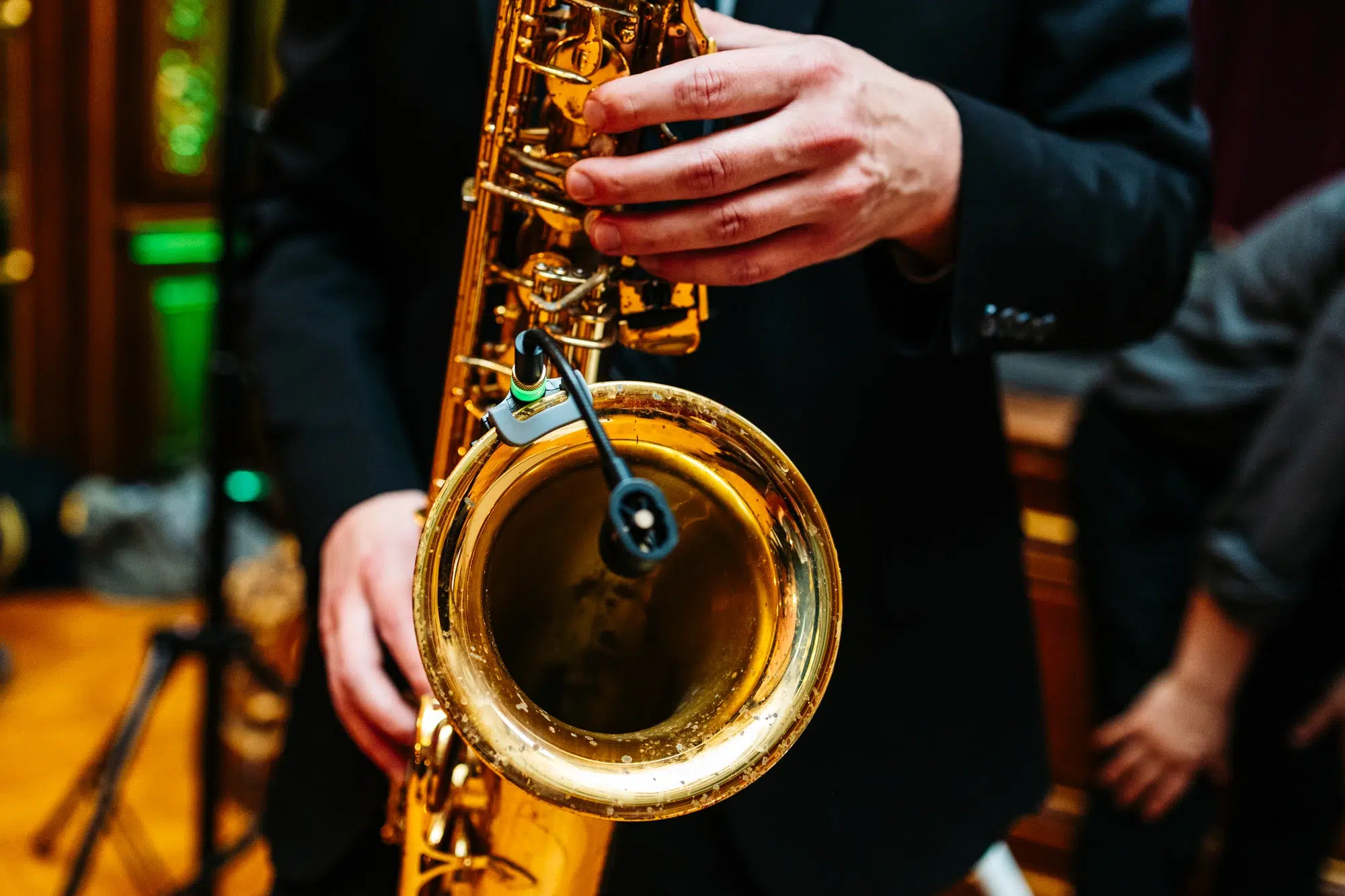
A hybrid setup pairs a DJ with live musicians, typically a vocalist, horn player, or percussionist performing over DJ backing tracks. This captures the visual excitement of live performance with the flexibility of a full digital catalog. It is a strong option for couples who love a specific recorded version of their first dance song but still want live energy throughout the night. The trade-off is coordination: hybrid acts require more logistical alignment between the live and digital elements, which adds complexity to timeline planning.
The decision framework:
- Choose a live band if atmosphere, showmanship, and guest experience are your top priorities.
- Choose a DJ if music variety, budget, or venue size is the deciding factor.
- Choose a hybrid if you want the energy of live performance without compromising on song selection.
Matching Your Wedding Style to the Right Entertainment
The best wedding entertainment does not just play music, it matches the feel of the entire event.
A black-tie affair at a grand venue calls for a jazz quartet or big band during cocktail hour and dinner, with a shift into dance sets later, or a DJ with a refined, curated sound. A garden or outdoor reception favors a lighter touch, whether that is an acoustic duo or a DJ running a compact, weather-friendly setup. A young, high-energy crowd is built for a professional Top 40 cover band or a DJ with a strong lighting and production package that keeps the floor moving all night. A multicultural or diverse guest list benefits from a versatile act, whether band or DJ, that moves confidently across Motown, R&B, funk, soul, and pop, genres with wide cross-generational appeal.
Genres available across live and DJ formats typically include Top 40, Motown, Rock, Jazz, Country, Funk, R&B, Oldies, Disco, Latin, Soul, and Classical. The clearest sign of a genuinely skilled act, live or DJ, is the ability to read the crowd and shift accordingly.
What to Look for When Hiring Live Bands or DJs
Successful bookings come down to thorough vetting before you sign anything: reviewing credentials, confirming logistics, and aligning on expectations well in advance.
Experience and Ensemble Size
How many weddings has this act performed? A band or DJ with years of weddings behind them knows how to handle unexpected moments, a delayed dinner service, a venue with poor acoustics, or a last-minute song change. For bands, size directly affects sound, energy, and investment. A four-piece band works well for intimate venues, an eight-piece adds depth for larger rooms, and a ten to thirteen-piece ensemble with a brass section suits large ballrooms and receptions where the entertainment is the centerpiece.
Setlist Personalization and Requests
Ask directly whether they can learn your first dance song. Most professional acts accommodate this with four to eight weeks of notice. Ask to see the full repertoire rather than just the highlights, and ask how they handle guest requests on the night so you can set expectations with your guests.
Logistics and Contingency Planning
Before signing anything, confirm: Do they supply their own sound system and lighting, or does the venue need to hire equipment separately? Is a sound engineer included? What is the plan if a performer is unavailable on the day? What are the overtime rates if the night runs long? A reputable vendor will have clear answers to all of these, in writing.
Understanding What You’ll Invest
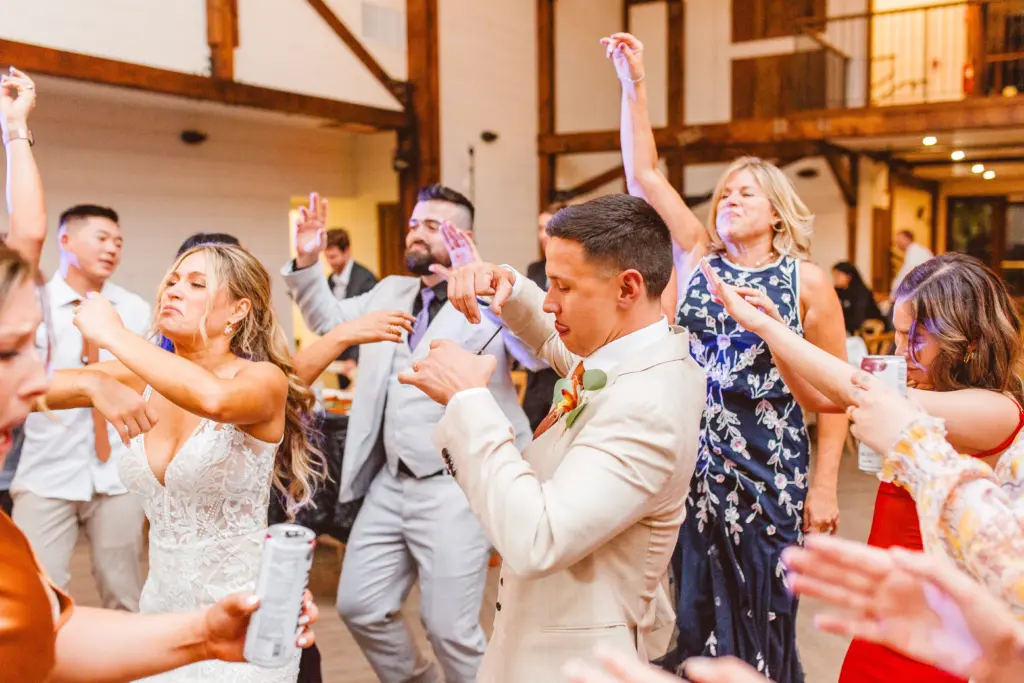
Several factors shape the investment for either option: ensemble or setup size, performance duration, day of the week, travel distance, and the local market. Saturday evenings during spring and summer command premium rates because demand is highest, while Friday or Sunday bookings often come in lower.
By comparison, DJ packages typically sit below live band packages at equivalent performance durations, though premium DJ packages with full lighting rigs, multiple speakers, and a dedicated sound engineer can overlap with band pricing. That overlap matters: the decision is not always as binary as it appears. A well-produced DJ set and a live band can land at a similar overall investment once you account for equipment, add-ons, and setup requirements on both sides.
Common add-ons to budget for include DJ coverage between live sets, premium lighting packages, extended performance time, and additional musicians such as a string duo for the ceremony. Always compare total package value rather than a headline number. A vendor that includes sound equipment and staffing in the quote may offer better value than a lower quote that requires separate rentals.
Your Wedding Day Timeline: When to Cue the Music
Scheduling your reception entertainment requires more planning than most couples expect.
Load-in. Bands typically need about two hours before guests arrive for setup and sound check. DJs need considerably less. Confirm this window with your venue coordinator in advance.
Cocktail hour. A smaller acoustic configuration or a DJ running ambient background music sets a welcoming tone without overwhelming conversation.
Dinner service. Background music at a lower volume. The goal is atmosphere, not performance.
First dance. Coordinate the exact timing and song cue with your bandleader or DJ at least a week ahead. Your coordinator should give a five-minute signal before the announcement.
Open dance floor. This is the full performance window, delivering peak energy and the sets designed to keep the floor moving. Plan this to start roughly sixty to ninety minutes into the evening program.
Set breaks. Bands typically play in sets with short breaks between them. Confirm whether a curated playlist or DJ coverage fills the gap.
Last dance. Plan this song deliberately and discuss it with your entertainment ahead of time. A well-chosen final song closes the night on the right note.
Walk through the full timeline with your venue coordinator and your entertainment together. Three-way alignment prevents the gaps and miscommunications that disrupt otherwise well-planned receptions.
Let Baltimore Sound Entertainment Help You Decide
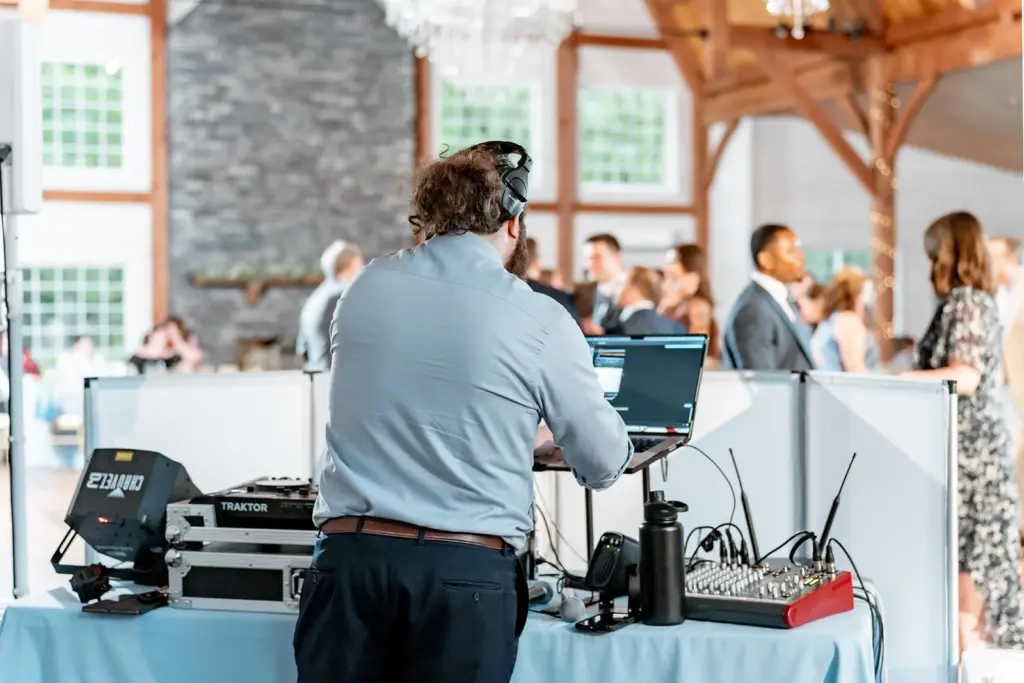
Whichever direction you lean, the right choice comes down to knowing what kind of experience you want your guests to have and being honest about your priorities across investment, music variety, and atmosphere. Baltimore Sound Entertainment brings full in-house production to weddings of every size and style, from intimate dinners to large ballroom receptions. Our team manages sound, lighting, and entertainment under one roof, with one point of contact from first inquiry to final song, backed by more than 500 events delivered across the region. Many couples pair their band or DJ with a photo booth rental to give guests another way to enjoy the celebration, and we can help coordinate that alongside your entertainment.
If you are planning a spring or summer wedding, do not wait. The most sought-after bands and DJs book out twelve to eighteen months in advance, and peak season Saturdays go first. Get in touch with our team today to check availability and start planning the music for your reception, before your date is gone.
FAQs about Live Bands and DJs
Should I book a live band or a DJ for my wedding reception?
It depends on your priorities. Choose a band for atmosphere and showmanship, a DJ for music variety and a smaller footprint, or a hybrid for the energy of live performance with the flexibility of a full catalog. Your venue size, guest list, and budget should guide the decision.
How far in advance should I book my entertainment?
Book twelve to eighteen months ahead if your wedding falls on a peak season Saturday between April and September. Popular acts fill their calendars quickly, so shortlisting and reaching out early protects your preferred date even before other vendors are finalized.
Will the entertainment provide their own sound equipment?
Most professional bands and DJs supply their own sound system and lighting. Premium options often include a dedicated sound engineer. Always confirm exactly what is included in the quote, since some vendors charge separately for equipment.
What happens during a band’s breaks?
Reputable bands either provide a curated playlist between sets or offer DJ coverage so the music does not stop. Confirm the break schedule and coverage plan in your contract so there is no awkward silence mid-reception.
Can a DJ learn our specific first dance song?
Yes, most DJs can play virtually any recorded version with no advance notice needed, while bands typically need four to eight weeks to learn a song live. If a specific recording matters most to you, a DJ or hybrid setup guarantees you get that exact version.