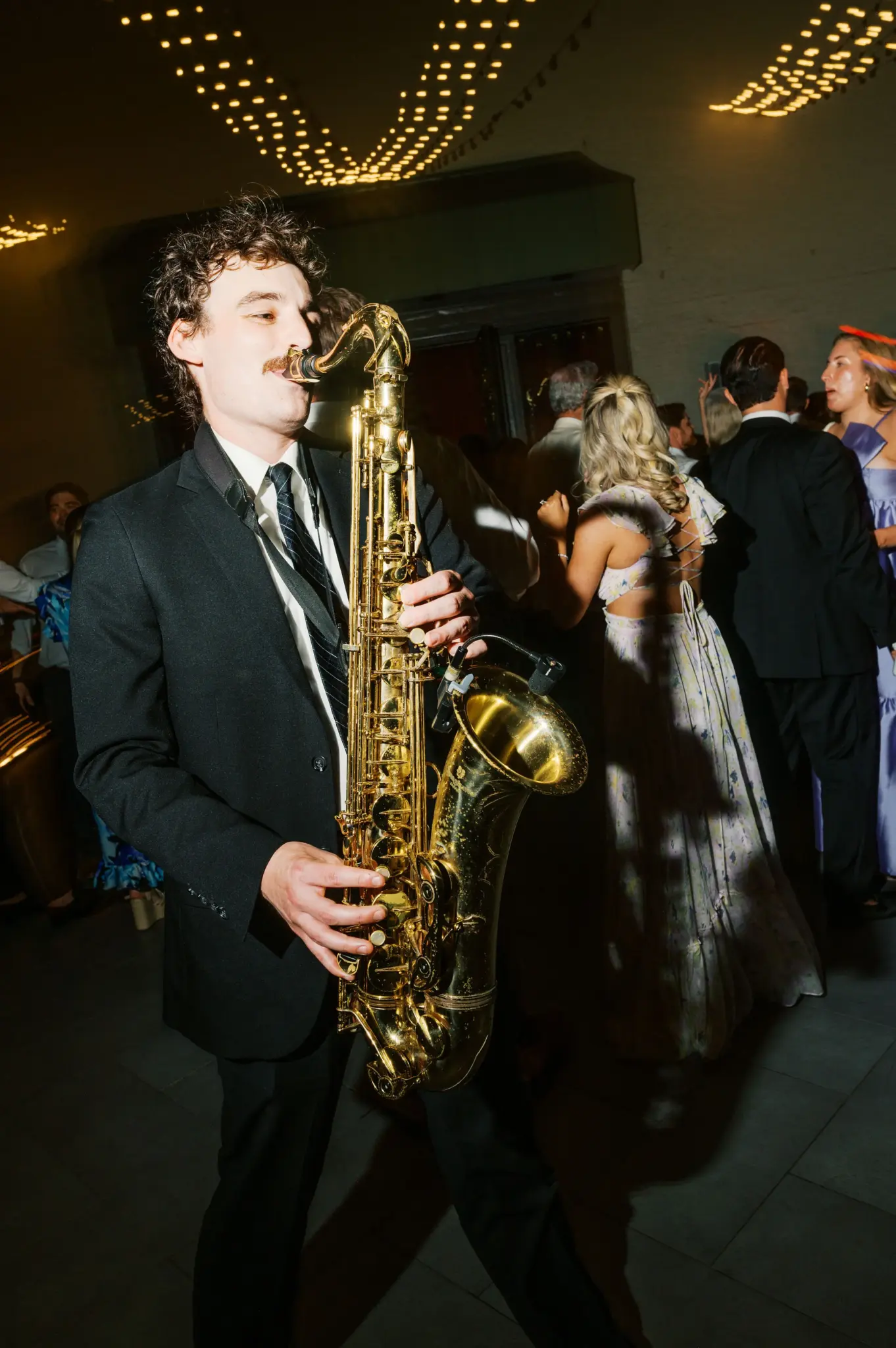
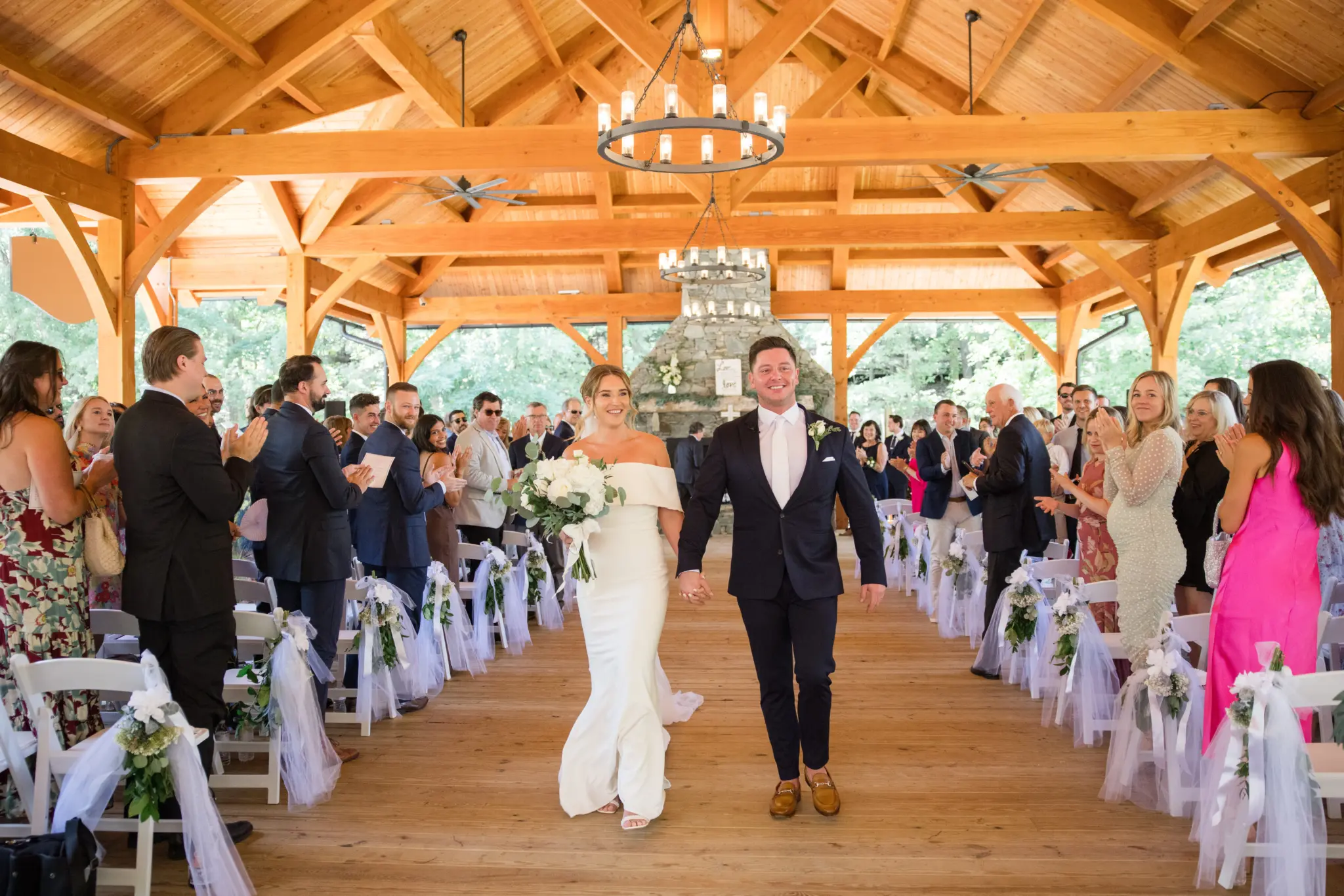
From sprawling vineyards to rooftop terraces with city skylines, the venue sets the stage, but what happens inside it (the sound, the light, the energy) is what guests actually remember. Having produced weddings across dozens of venue types, from intimate estate dinners to large outdoor celebrations, we’ve seen firsthand how the right space and the right production approach work together to create something guests talk about long after the night ends. This guide covers ideas for wedding venues across key categories so you can quickly identify what fits your vision and start booking with confidence.
Quick Picks: Ideas for Wedding Venues at a Glance
| Venue Type | Best For |
| Vineyard or Winery | Romantic, rustic elegance |
| Brewery or Distillery | Casual, craft-culture couples |
| Museum or Gallery | Art lovers, dramatic settings |
| Public Park or Forest | Micro-weddings, elopements |
| Restaurant Private Dining | Small guest lists (20 to 60) |
| Mountain Lodge or Ranch | Rustic luxury, outdoor adventure |
Outdoor and Nature-Based Wedding Venues
Outdoor venues are among the most sought-after wedding venue ideas for their natural beauty and built-in ambiance, but they require more logistical planning than almost any other category. The tradeoff is weather dependency, and most outdoor venues require rentals of tents, portable restrooms, and power generators. Power access for sound and lighting equipment is a critical variable that’s easy to overlook during a daytime tour but becomes urgent at your 7 p.m. reception. Factor all of it into your planning before you commit.
Vineyards and Wineries
Best for couples wanting romantic, rustic elegance with a built-in bar program. Many include preferred catering partnerships and barrel-room reception spaces. The built-in ambiance, from long ceremony rows to golden-hour light filtering through grapevines, means florals and decor can stay minimal. Watch for alcohol minimums, exclusive vendor lists, and seasonal booking pressure that peaks in late summer through fall.
Botanical Gardens
Best for nature-loving couples who want color, texture, and lush surroundings without a heavy florals investment. Public gardens often come with more restrictions, while private estate gardens give you more control. Downsides include limited guest counts, public access restrictions during ceremony hours, and strict rules about decor installation.
Forest and Woodland Settings
Best for intimate, ethereal ceremonies with a moody, fairytale atmosphere. For couples in the mid-Atlantic region, managed woodland venues offer better accessibility than raw wilderness. Practical challenges include uneven terrain, limited accessibility for elderly guests or those with mobility needs, insect management in warm months, and the absence of restrooms or power without additional rentals. Generator placement and cable runs through wooded terrain also add complexity for any sound or lighting setup, which is exactly the kind of thing our team plans for when working with a DJ in Maryland on a forest ceremony.
Unique and Nontraditional Wedding Venue Ideas
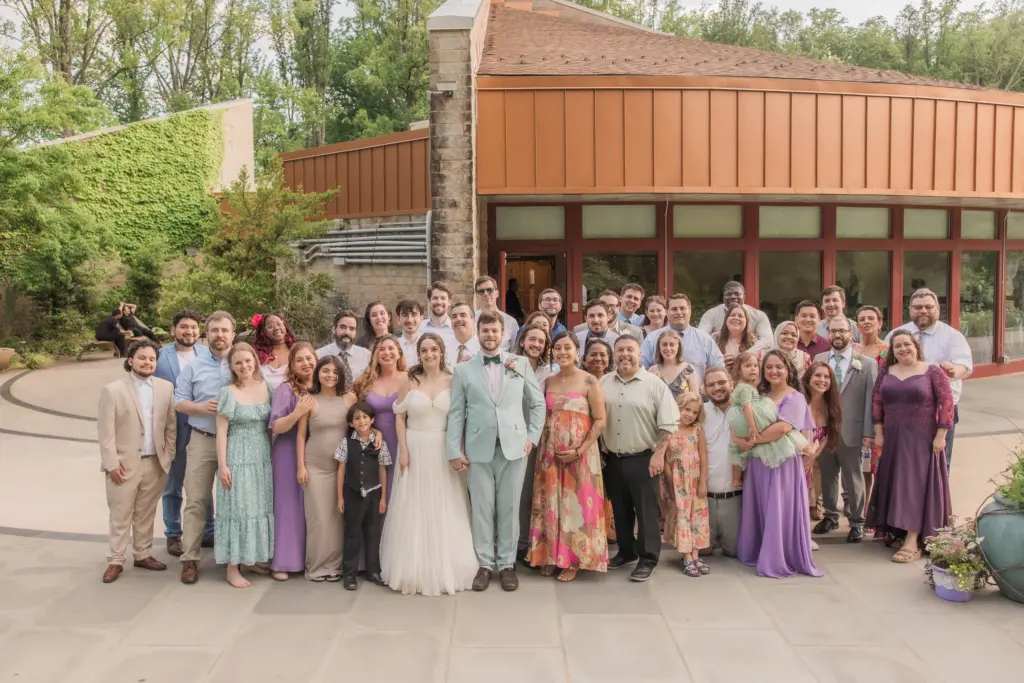
Ideas for nontraditional wedding locations have grown significantly in popularity because couples want their wedding to reflect who they are, not just where they can fit 150 people. Nontraditional venues also frequently allow outside catering and your own beverage selection, which opens up real flexibility compared to venues with exclusive in-house catering.
Breweries and Distilleries
Perfect for casual, laid-back couples who love craft culture and want a venue with personality built in. They offer industrial-chic aesthetics, flexible floor plans, and a built-in bar program that guests genuinely get excited about. Edison bulbs, exposed brick, and copper stills do your decor work for you. Visit on a production day, not just an event day, to confirm the smell is manageable for your guests.
Museums and Cultural Venues
Best for intellectual, art-loving couples who want drama, sophistication, and a conversation-starting backdrop. Existing lighting setups and dramatic architecture often mean your AV and production needs are partially addressed before vendors arrive. Watch for strict rules around displayed works, limited options for draping or decor installation, and catering restrictions that may require approved vendors.
Historic Buildings and Estates
Ideal for couples who want architectural grandeur without committing to a destination wedding. These venues often include bridal suites, manicured grounds, and photography settings throughout the property. Preservation rules can limit what you attach to walls or ceilings, and older buildings sometimes lack full ADA accessibility. Confirm elevator access, restroom capacity, and climate control before booking a summer or winter date.
Rooftop Venues
Best for city couples who want dramatic skyline views and modern minimalism. Rooftop spaces bring an instant wow factor through their setting rather than their decor. The challenges are real: wind can disrupt ceremonies and hairstyles, extreme temperatures affect guest comfort, and elevator logistics slow movement between cocktail hour and reception. Always have a weather contingency plan in writing.
Affordable Wedding Venue Ideas That Don’t Look Budget
Beautiful weddings happen at every level of investment. Research from CivicScience reveals that 39% of couples kept their entire wedding spend modest in 2024, making smart venue choices more important than ever. Budget-friendly wedding venue ideas have expanded well beyond church fellowship halls. The key is knowing how to style an affordable space so it looks like anything but.
One factor couples often overlook is day-of-week flexibility. Friday and Sunday weddings consistently come in well below Saturday at the same venues. Thursday and Monday bookings can go even lower. Shifting one day can free up a real budget to invest in lighting, florals, or entertainment that guests actually notice.
Public Parks and National Forests
The most accessible option in nearly every region, especially for micro-weddings, elopements, and couples who prioritize scenery over exclusivity. The scenery rivals any private estate. The tradeoffs are real: no exclusivity means other park visitors may be present, weather is entirely your risk, and you’ll need to bring everything including a portable arch, string lights, seating, and a generator. A fabric-draped arch and a handful of lanterns can transform a park clearing into something that photographs beautifully.
Restaurant Private Dining Rooms
Best for small guest lists between 20 and 60 people who want intimacy and built-in service. Many restaurants offer private dining spaces with no separate venue fee, requiring only a food-and-beverage minimum. Catering, service staff, and often linens are included. Menu options may be fixed, decor freedom is minimal, and the space is designed for dining rather than dancing.
Community Centers and Civic Halls
Best for couples who need flexibility, open floor plans, and maximum vendor freedom. They rarely impose vendor restrictions, which means you control every element: catering, bar service, entertainment, and decor. The blank-slate nature of these spaces is both their strength and their challenge. Without built-in lighting, sound infrastructure, or a coordinator on staff, couples take on significant execution risk that the right full production partner can eliminate. With the right team handling sound, lighting, and setup, a community hall can look and feel like a venue that does all of the heavy lifting for you. Confirm load-in windows, table and chair inventory, and whether the venue has a commercial kitchen before booking.
Destination and Adventure Wedding Venue Options
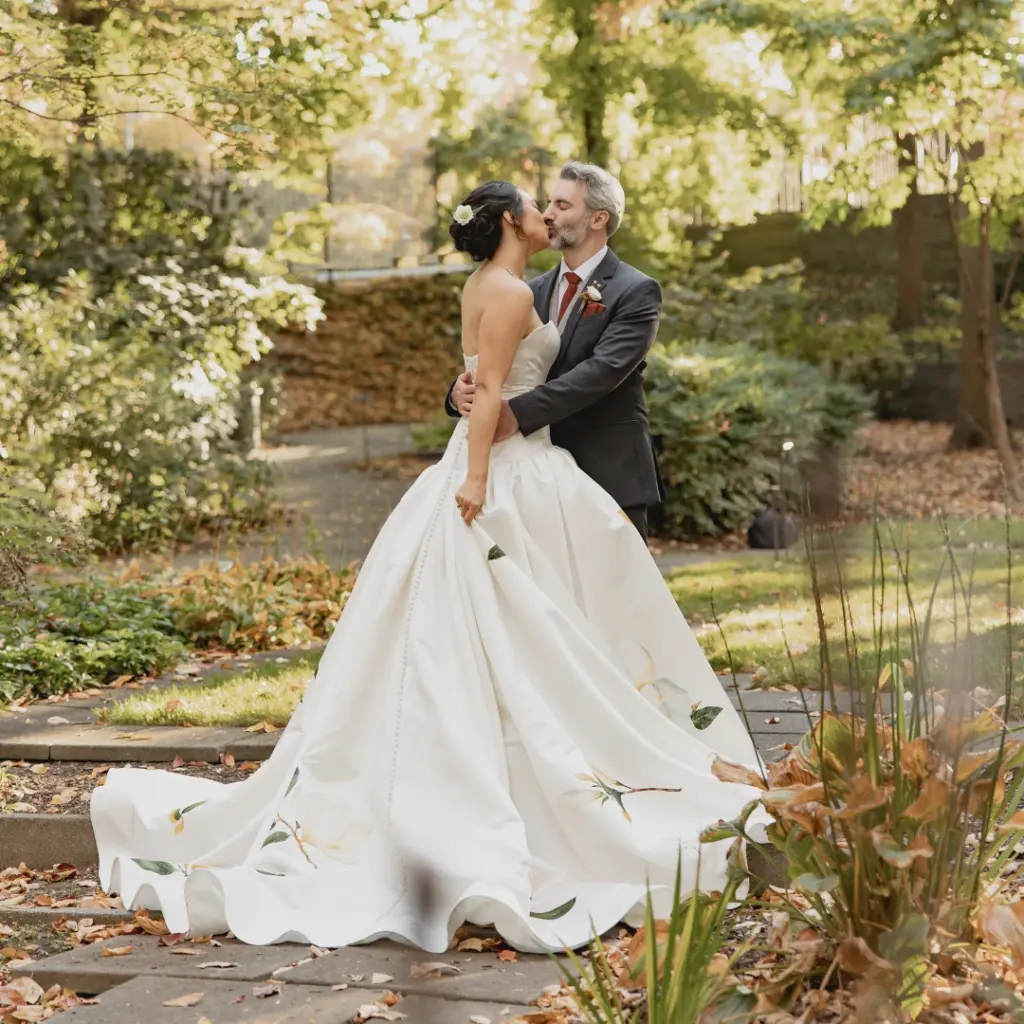
For experience-focused couples, destination venues offer something no local ballroom can replicate: the wedding becomes an event that guests travel toward, where the journey and the setting are part of the memory. Whether it’s a mountain lodge or a sun-drenched landscape at golden hour, the setting embeds a sense of occasion before a single vow is spoken.
Destination weddings do require a different planning timeline. High-demand resort venues often need to be secured 18 months in advance, especially for peak travel seasons, though many bundle accommodations, catering, and coordination into packages that simplify the process. Guest logistics, like accommodation blocks and travel coordination, need to be handled early. These venues also frequently require couples to source production locally (sound, lighting, AV, and entertainment), making a full-service partner with remote coordination experience especially valuable.
Mountain Lodges and Working Ranches
Perfect for outdoorsy couples who want rustic luxury with dramatic natural surroundings and overnight stays for guests. These venues frequently offer all-inclusive packages covering catering, accommodations, and coordination. Having guests all in one place overnight creates a weekend-long experience rather than a single event. The cons include remote locations that limit vendor access. Confirm which vendors are permitted and which are exclusive before signing.
Desert Landscapes
Best for couples who want minimalist, dramatic visuals with golden-hour lighting that requires almost no enhancement. The lighting conditions in desert climates during late afternoon are genuinely extraordinary, and the stark landscape creates visual impact that relies on almost nothing else. Summer heat is a real logistical concern, and infrastructure for restrooms, power, and guest comfort can require significant rentals. Shoulder-season months, typically March through May and October through November, offer more manageable temperatures.
How to Match Your Wedding Venue to Your Vision
Choosing between venues gets harder once you’ve toured a few. Each one has something appealing and something you’re unsure about, and the appealing parts tend to blur together by the third tour. A structured approach makes the decision easier and protects you from booking on emotion alone. Use the five steps below to filter your options and lock in the right space with confidence.
- Set Your Guest Count First
Your guest list eliminates most venues before you ever tour them. A space that feels magical for 40 people feels cold and empty for 150, and a venue capped at 80 is not the right fit if your list is at 120.
- Lock Your Venue Budget Before You Tour
Apply the 10 to 15 percent rule before you walk into any venue. Touring spaces outside your range leads to compromise decisions you’ll regret.
- Identify Your Non-Negotiables
Write down three things you will not give up, like an outdoor ceremony, outside catering allowed, or on-site overnight accommodations. Use that list to filter options before scheduling tours.
- Visit at the Right Time of Day
Tour every venue at the same time of day your wedding will take place. Lighting, noise levels, and crowd patterns change dramatically between 11 a.m. and 6 p.m.
- Review the Fine Print Before Signing
Ask for the complete vendor restriction list, insurance requirements, noise curfews, overtime fees, and setup and teardown windows. These details determine whether your event vision is actually executable at that venue.
Make Your Venue Vision Come to Life with Baltimore Sound
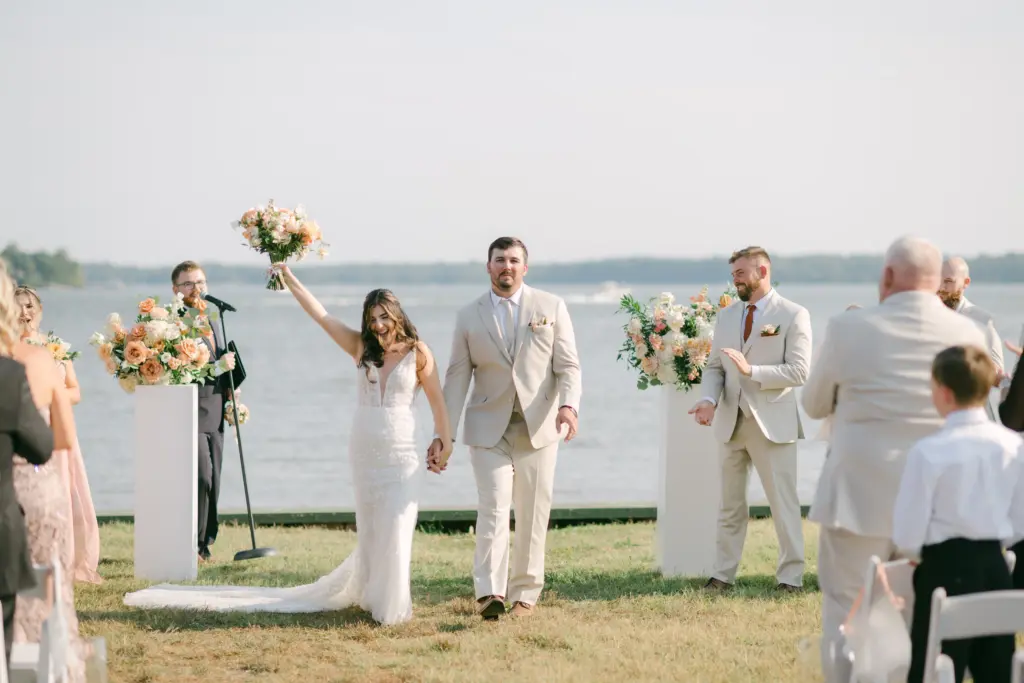
The right wedding venue is not the most photographed one. It is the one that fits your guest count, works within your budget, and reflects what actually matters to you as a couple. Start with your non-negotiables, apply the 10 to 15 percent rule, and give yourself enough lead time to tour options without pressure. Once you’ve found the space, the next step is making sure the sound, lighting, and production inside it match the vision you fell in love with. That’s where our team comes in. From intimate estate dinners to outdoor celebrations for hundreds, Baltimore Sound brings the energy, expertise, and full-service production that turns a beautiful venue into a night your guests will talk about for years. Request a quote and let’s start building your celebration together.
FAQs About Wedding Venue Ideas
What are affordable wedding venues?
The most reliably accessible options are public parks, restaurant private dining rooms, community halls, and off-peak vineyard dates. In regions like Riverside County, accessible options often include ranch properties, community centers, and public desert landscapes that offer striking visuals.
What is the cheapest day to get married?
Friday and Sunday weddings are consistently more budget-friendly than Saturday at the same venues. Thursday and Monday can run lower still. Off-peak months, particularly January, February, and November (excluding the Thanksgiving holiday period), also reduce venue fees at most locations.
How far in advance should you book a wedding venue?
Book at least 12 months out for most venues. Popular Saturday slots at in-demand locations fill 14 to 18 months ahead. According to The Knot’s Real Weddings Study 2024, 52% of couples began making wedding plans 12 months ahead of their wedding. Destination venues and resort properties often require 18 months of lead time.
What should I ask at a venue before signing a contract?
Ask about vendor restrictions and whether outside caterers are permitted, catering exclusivity clauses, parking capacity and overflow options, overtime fees, the cancellation and rescheduling policy, noise curfews and local ordinances, setup and teardown windows, ADA accessibility, and whether a wedding coordinator or day-of contact is included.