If you’re wondering; “what is a wedding rehearsal?”, the answer is it’s a structured practice run of your wedding ceremony where the couple and key participants walk through entrances, exits, positioning, and timing so the actual ceremony feels smooth and stress-free.
At Baltimore Sound Entertainment, we’ve supported hundreds of Maryland weddings over the years. From waterfront ceremonies in Baltimore to elegant estates in Annapolis and beyond, we’ve seen firsthand how a well-organized rehearsal transforms the entire wedding day experience. This guide breaks everything down in simple, practical terms so you can plan confidently.
What Is a Wedding Rehearsal?
A wedding rehearsal is a scheduled walkthrough of your ceremony, usually held the day before your wedding. It focuses on movement, timing, and clearly defined roles so everyone understands exactly what to do. You practice the processional, confirm where everyone stands, review key transitions, and rehearse the recessional. There are no decorations, no guests, and no formalwear, just structure and clarity.
The wedding rehearsal is to prepare with intention. It ensures that nothing feels confusing or uncertain on the wedding day. Without a rehearsal, people guess. With a rehearsal, they know. When couples skip this step, timing often feels awkward, participants hesitate, and music cues can get missed. A rehearsal protects the experience you’ve worked so hard to plan and allows your ceremony to feel calm, polished, and confident.
When to Have a Wedding Rehearsal
Most couples schedule their rehearsal the afternoon or evening before the wedding. This timing gives everyone space to practice and then transition into the wedding rehearsal dinner afterward.
If your venue has limited access, confirm rehearsal availability early. Some churches and high-demand venues in Maryland only allow specific time slots.
If possible, rehearse around the same time of day as your ceremony. Lighting and spacing can feel different depending on the hour.
Plan for 30 to 60 minutes. Longer if you have a large wedding party or special traditions.
Who Should Attend the Rehearsal
Keep the guest list intentional and focused.
Here’s who should attend wedding rehearsal:
- The couple
- Wedding party
- Officiant
- Parents participating in the processional
- Readers or cultural participants
You don’t need extended guests or plus-ones. The rehearsal works best when it stays structured.
In most cases, entertainment vendors such as DJs or live musicians do not attend rehearsals. Instead, ceremony timing, processional order, and music cues are typically shared with them in advance. As long as the ceremony outline and music selections are finalized ahead of time, your DJ or musicians will be able to coordinate the entrances and transitions smoothly on the wedding day.
What Happens at a Wedding Rehearsal
What happens at a wedding rehearsal is mostly about movement, timing, and clarity. The goal is to walk through the ceremony step-by-step so everyone understands their role and feels comfortable.
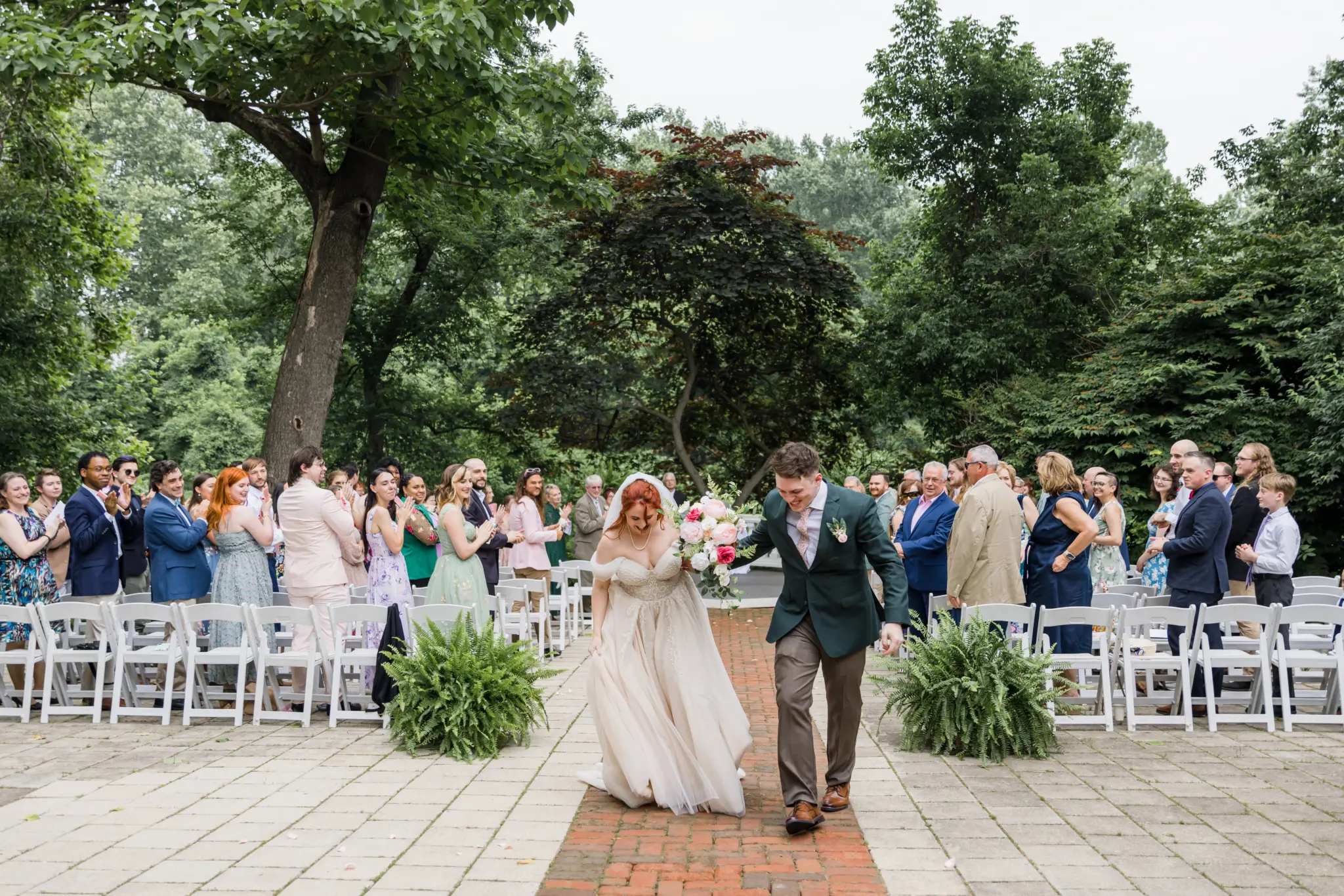
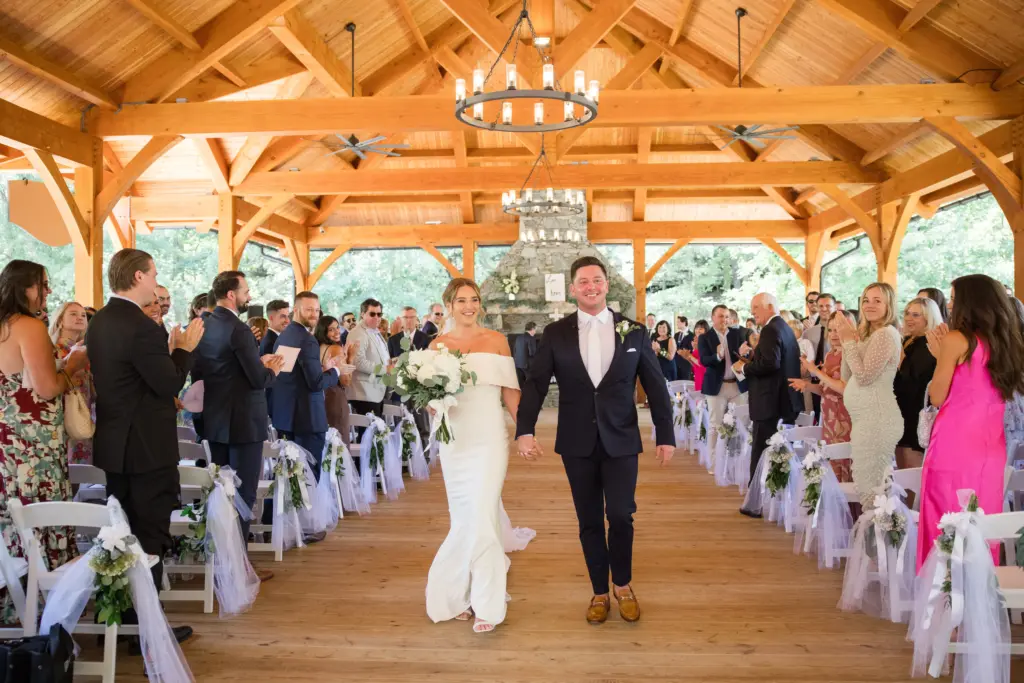
First, everyone lines up in processional order. You confirm who walks with whom and in what sequence. Then you practice walking down the aisle at ceremony pace, making sure spacing feels natural and entrances are smooth. The officiant may explain cues for vows, readings, or special traditions. You confirm positioning at the altar, including where bouquets go and who holds the rings. Finally, you rehearse the recessional so everyone knows how to exit and where to go afterward.
You do not need to say every word of the ceremony. Focus on transitions, timing, and logistics. A clear, efficient rehearsal keeps the energy positive and sets the tone for a calm wedding day.
The Processional and Recessional Walkthrough
A wedding processional rehearsal is often the most important part of the evening.
Decide:
- Who walks with whom
- The order of entrances
- The pace of walking
- When music begins
We always recommend walking slower than feels natural. Nerves make people speed up.
Then practice the recessional. Make sure everyone knows where to exit and where they go immediately afterward, especially if photos are happening.
Smooth entrances and exits create a polished ceremony feel.
Using a Wedding Rehearsal Checklist
A wedding rehearsal checklist keeps things organized and eliminates last-minute scrambling.
Your checklist should include:
- Processional order
- Recessional order
- Bouquet handoff plan
- Ring holder confirmation
- Microphone handling
- Where family members sit
- Post-ceremony direction
Having it written prevents confusion.
Share it with your planner, officiant, professional videographer and DJ in advance so everyone stays aligned.
Wedding Rehearsal Tips From Experienced Maryland Vendors
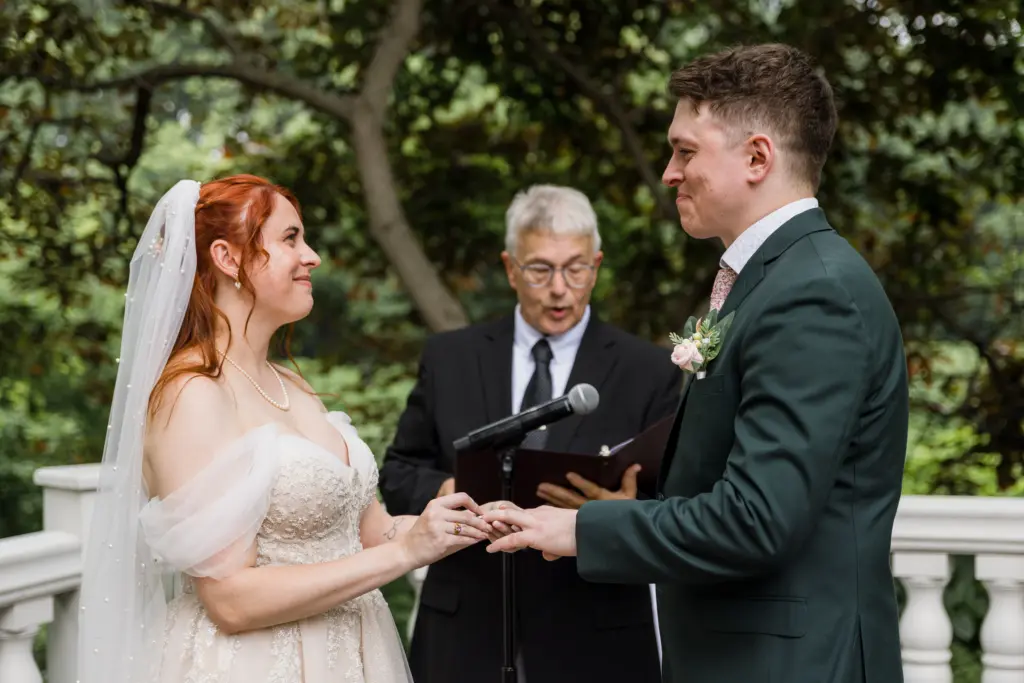
After years in the Maryland wedding industry, here are practical wedding rehearsal tips that truly make a difference and keep everything running smoothly.
Start on time so you respect everyone’s schedule and keep energy focused. Designate one clear leader, whether that’s your planner, officiant, or coordinator, so directions stay consistent. Walk through the ceremony twice if needed, especially entrances and exits. Confirm ring placement, vow logistics, and microphone handling ahead of time. Use the rehearsal to answer final questions so no one feels unsure on wedding day. And aim to keep it under an hour to avoid fatigue and distraction.
Avoid letting multiple people direct at once. That creates confusion quickly and slows everything down. Keep it simple. Keep it structured. A calm rehearsal leads to a confident ceremony.
Wedding Rehearsal Etiquette
Wedding rehearsal etiquette is about respect, focus, and consideration for everyone involved. The rehearsal may feel informal, but it serves an important purpose and should be treated that way.
Participants should arrive on time, silence their phones, and stay attentive while instructions are being given. Couples should communicate expectations clearly so everyone understands the plan. If someone has a question, ask it during the walkthrough so there’s no confusion later. Save extended conversations and socializing for after the rehearsal is complete.
The rehearsal is preparation time, not cocktail hour. A focused and professional attitude during this short window helps ensure the ceremony itself feels smooth, organized, and confident.
Coordinating Music and Sound
Ceremony music timing matters more than most couples realize.
Entrances, pauses, and transitions depend on clear cues. When music starts too early or fades too late, it shifts the emotional flow.
If you’re looking for a professional DJ in Maryland, Baltimore Sound Entertainment works closely with officiants and planners to ensure every cue aligns with the ceremony timeline.
We provide professional-grade ceremony sound systems and structured coordination support to ensure clarity and confidence.
Common Mistakes to Avoid
Avoid these common rehearsal mistakes that can quickly create unnecessary stress on wedding day:
- Skipping the rehearsal entirely and hoping everyone “figures it out.”
- Not finalizing the ceremony order beforehand.
- Inviting unnecessary attendees, which turns it into a social event.
- Ignoring music timing and cue coordination.
- Forgetting to confirm ring, bouquet, or microphone logistics.
- Allowing multiple people to direct at once, creating confusion.
Preparation prevents stress. The more structured and intentional your rehearsal feels, the smoother and more confident your ceremony will be.
Rehearsals for Religious or Cultural Ceremonies
Religious and cultural weddings often include additional elements that require clear walkthroughs.
This might include:
- Unity rituals
- Cultural traditions
- Multiple readings
- Processional variations
Rehearsing these components ensures respect and smooth execution.
If your ceremony includes unique traditions, allow extra rehearsal time.
Rehearsals for Outdoor Weddings
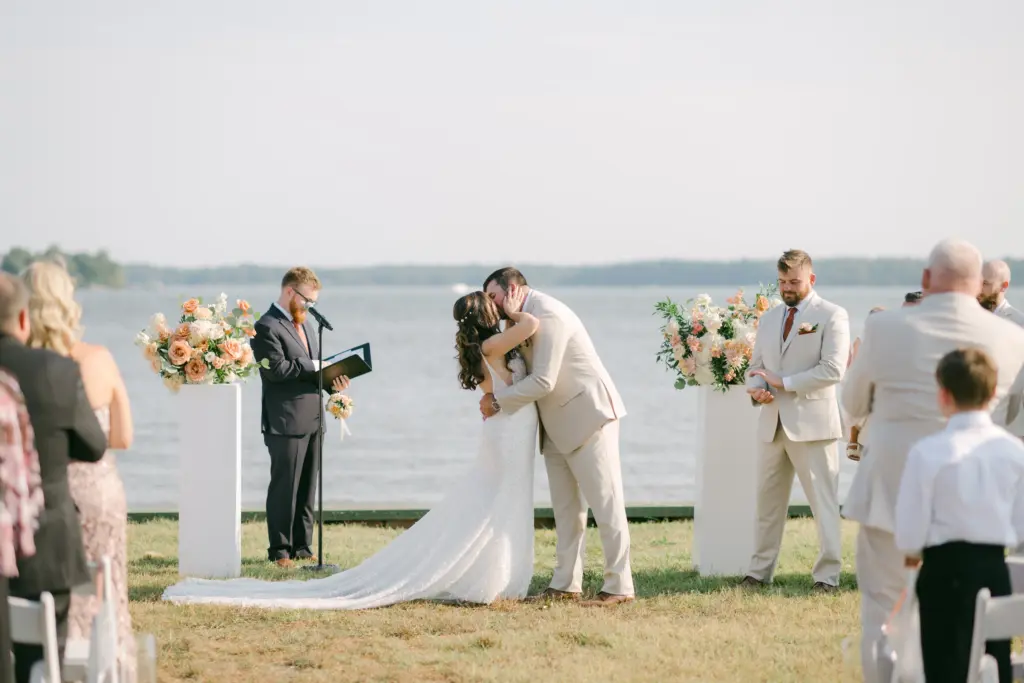
Outdoor ceremonies introduce additional variables like wind, sound projection, uneven ground, and spacing challenges. These elements can affect timing, comfort, and overall flow if they aren’t addressed ahead of time.
During the rehearsal, practice microphone placement to ensure voices carry clearly. Confirm speaker positioning so music and vows are heard evenly without feedback. Check walking paths for stability, especially if you’re on grass, sand, or gravel. Make sure heels won’t sink and that the aisle is clearly defined.
Rehearsing at the same time of day as your ceremony can also help identify lighting angles, sun placement, or temperature considerations. Preparation prevents surprises and allows you to adjust before guests arrive.
The Role of the Wedding Rehearsal Dinner
The wedding rehearsal dinner traditionally follows the rehearsal and includes the wedding party, immediate family, and sometimes out-of-town guests. It’s an opportunity to thank the people who are playing an important role in your wedding and to spend quality time together before the celebration begins.
This gathering often includes short toasts, gift exchanges for the wedding party, or a welcome message to guests who traveled. It sets a warm, personal tone before the larger event.
Keep it relaxed and enjoyable. The rehearsal itself should stay structured and focused, while dinner is the time to celebrate, connect, and unwind. Keeping preparation and celebration separate helps both feel intentional and meaningful.
Assigning a Rehearsal Leader
Every rehearsal needs one leader.
This could be:
- Your wedding planner
- Your officiant
- A day-of coordinator
- A trusted, organized friend
One voice directing keeps things efficient.
At Baltimore Sound Entertainment, we often support planners and officiants by clarifying music cues and transition timing so leadership stays consistent.
Clear direction builds calm energy.
Final Thoughts
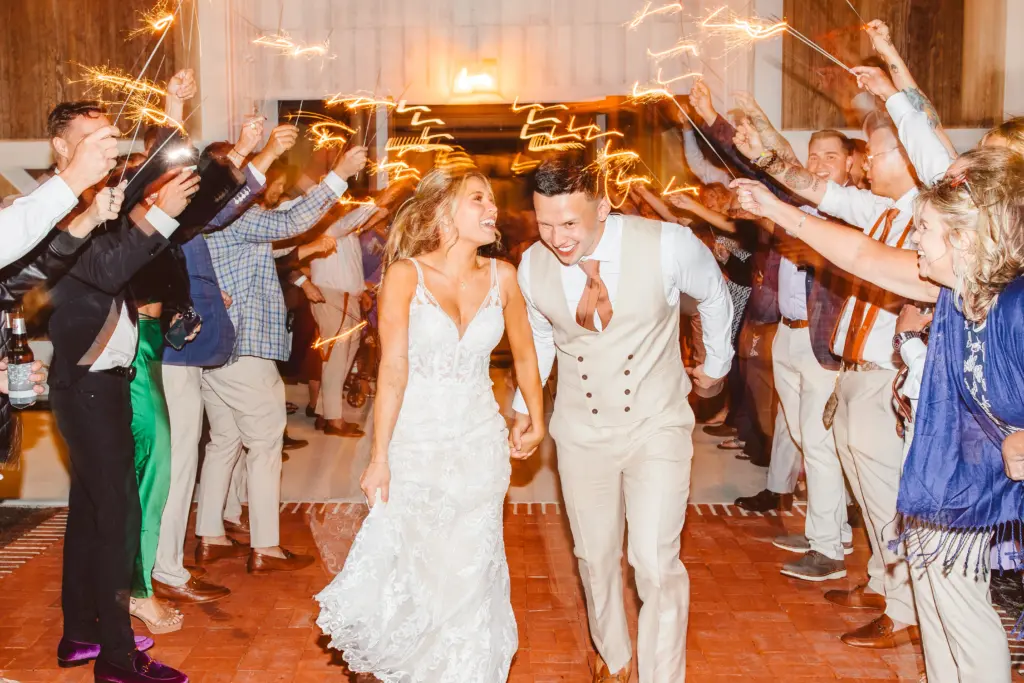
A wedding rehearsal is not just a tradition. It’s a strategic planning step that sets the tone for your entire ceremony. It builds confidence, reduces stress, improves timing, supports your vendors, and protects the overall experience you’ve worked so hard to create.
At Baltimore Sound Entertainment, our experience supporting ceremonies throughout Maryland allows us to anticipate transitions and provide structured coordination that enhances both your rehearsal and your wedding day flow. Preparation the day before creates peace of mind on the big day.
FAQs About Wedding Rehearsals
How long should a wedding rehearsal last?
Most rehearsals last 30 to 60 minutes. Larger weddings or complex ceremonies may require more time.
Do you practice the entire ceremony?
No. You typically rehearse movement and positioning, not every word.
Is a rehearsal required?
It’s not required, but it is strongly recommended for smooth ceremony flow.
Who runs the rehearsal?
Usually the planner, officiant, or coordinator. Choose one clear leader.
Can you rehearse without being at the venue?
Yes, but rehearsing at the venue is ideal so spacing and positioning are accurate.
What should you bring to the rehearsal?
Bring your ceremony outline, wedding rehearsal checklist, and finalized processional order.
If you’re planning a Maryland wedding and want professional ceremony coordination and sound support, Baltimore Sound Entertainment is ready to help make your rehearsal and wedding day feel seamless from start to finish.